
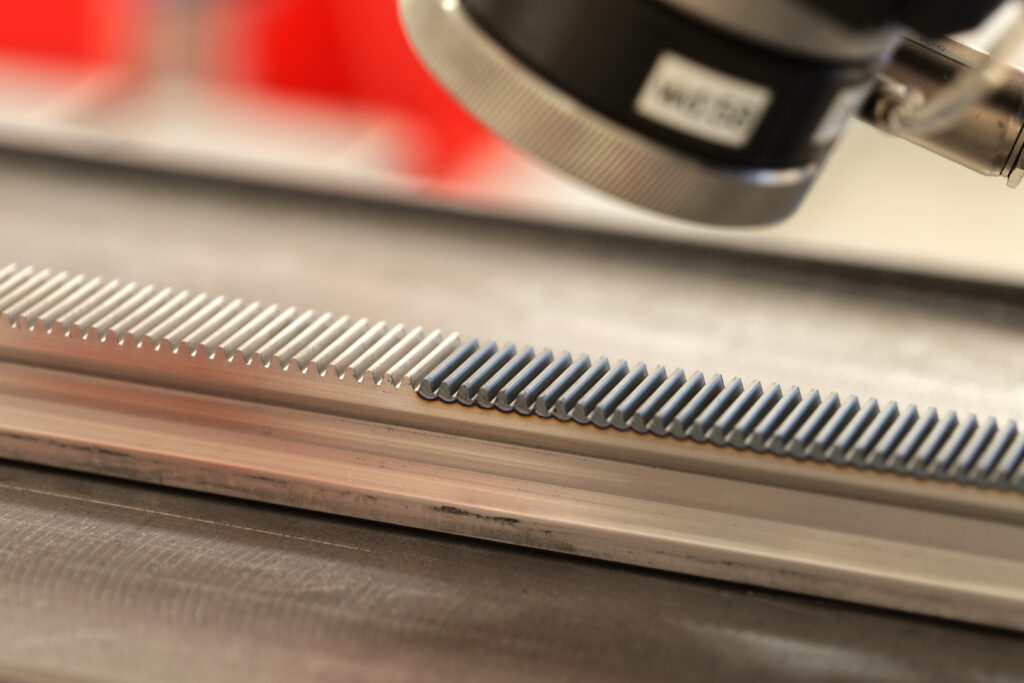
Surface hardening by laser (laser hardening) is a type of surface heat treatment for metals. A surface modification process where the aim is to significantly increase the surface hardness of a metal workpiece without adding any other materials. The increase in hardness is achieved by rapid heating and cooling of the surface. Rapid annealing is ensured by a high-power laser, while rapid recooling is provided either by the material of the large/heavy workpiece itself (through heat conduction) or through the use of an external coolant (gas or liquid).
The process results in the multiplication of surface hardness (typically from an initial hardness of 25-28 HRC to 50-65 HRC, depending on the material) at a depth of about 1 - 1.5 mm, while the core of the workpiece retains its original physical properties. The computer-controlled, robotic treatment process can be regulated with extreme precision, taking into account the alloy and shape/form characteristics of the workpiece.
Laser hardening is the most flexible surface hardening method, in most cases with the best value for money. It can be efficiently applied wherever metals (hardenable alloy) are subjected to intense physical stress.
A special service of our company, unique in Hungary and the surrounding countries, is that we can perform laser hardening (and cladding) at the customer’s site.
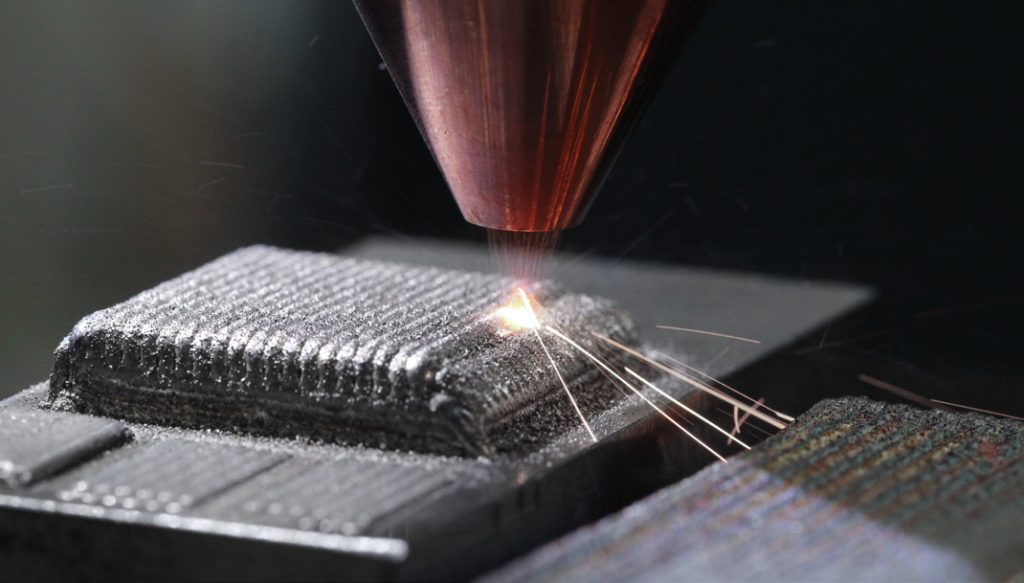
Cladding (surface melting, alloy welding, armouring) is a coating process where a material is added to modify the physical (hardness) and chemical (e.g. corrosion resistance, etc.) properties of the original workpiece material. The added material is an additive in the form of powder or wire. Like in laser hardening, the rapid annealing of the workpiece and the melting of the added material is ensured by a high-power laser. During cladding, a fused alloy zone is created between the base material and the added surface layer. Due to the large mixing zone, a very strong and stable physicochemical bond is created between the base material and the cladding layer. The two main applications of cladding are: improving the surface quality of the workpiece before it is put into use, and build-up welding of worn parts for repair purposes.
The computer-controlled, robotic treatment process can be regulated with extreme precision, taking into account the characteristics of the given alloy and the workpiece.
A special service of our company, unique in Hungary and the surrounding countries, is that we can perform laser hardening (and cladding) at the customer’s site.
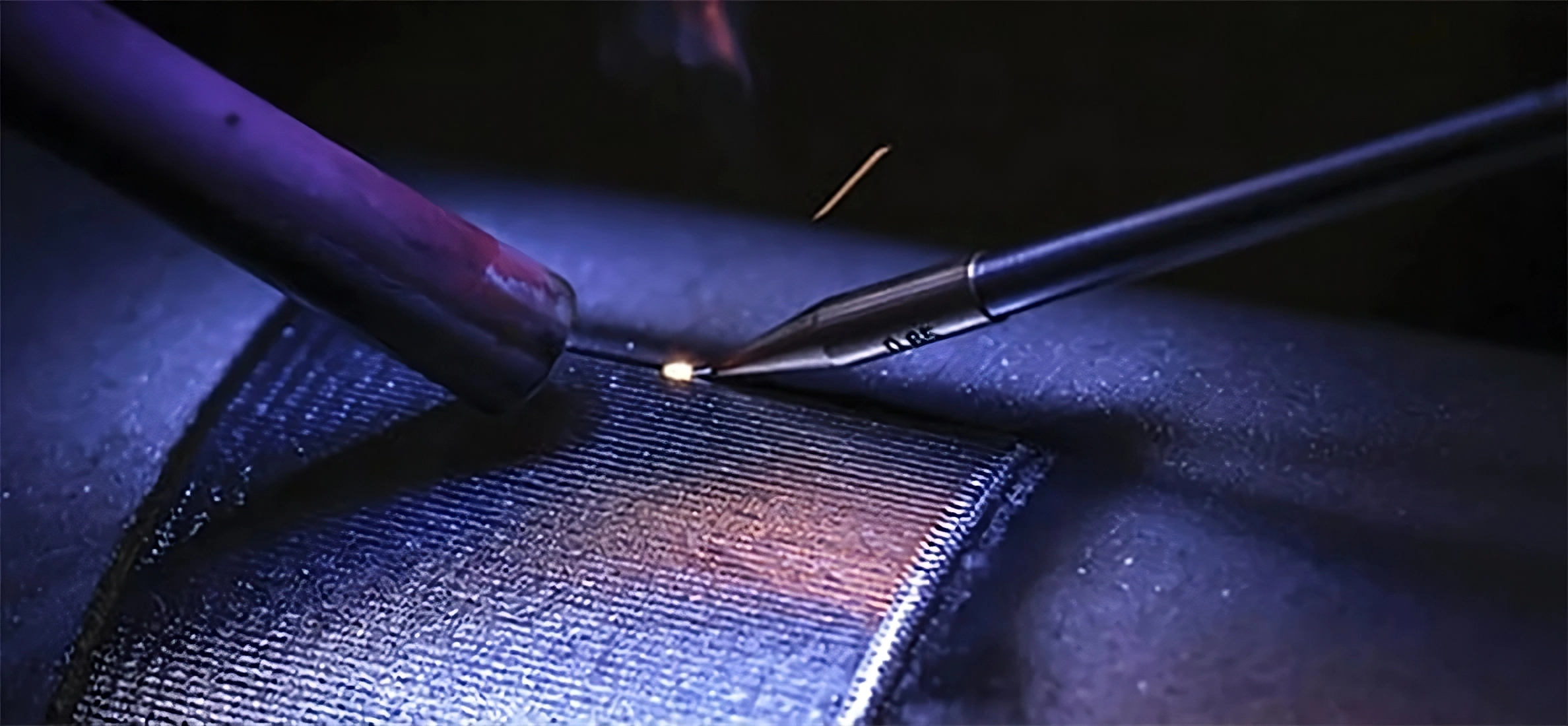
A fusion welding process where metals or thermoplastics are joined by means of a focused laser beam. The seam has deep fusion joints and is more tolerant with respect to joint fixing, reducing internal porosity and cracking. It is characterised by a lower risk of thermal distortion, faster processing time and high precision compared to conventional welding technologies.
Our wide range of services and professional partners allow our customers to manage everything from the purchase of raw materials to the multi-step delivery of finished products in a single place.
Ask for an individual offer!
A special service of our company, unique in Hungary and the surrounding countries, is that we can perform laser hardening and cladding at the customer's site.
2024 © APZ Laser Kft.
Dear Visitors!
Our company will be closed between 21 December 2024 and 6 January 2025.
Thank you for your understanding, we wish you happy holidays and a happy new year!